When people search for “iSAQB,” they usually have a simple question in mind.
What is this certification, and why do so many software architects talk about it?
Most software systems do not fail because developers lack skills. They fail because decisions made early are unclear, undocumented, or misunderstood later. Over time, teams change, systems grow, and the reasons behind architectural choices disappear.
In many companies, the role of software architect is informal. Someone becomes “the architect” because they have experience, not because they learned architecture as a discipline. This leads to strong individuals, but weak shared understanding.
That gap is exactly where iSAQB comes in.
This article explains what iSAQB is, why it exists, who it is for, and whether it is worth the effort today. It is written for readers who want a clear answer, not marketing language.
What iSAQB Is and Why It Exists
What is the full form of iSAQB
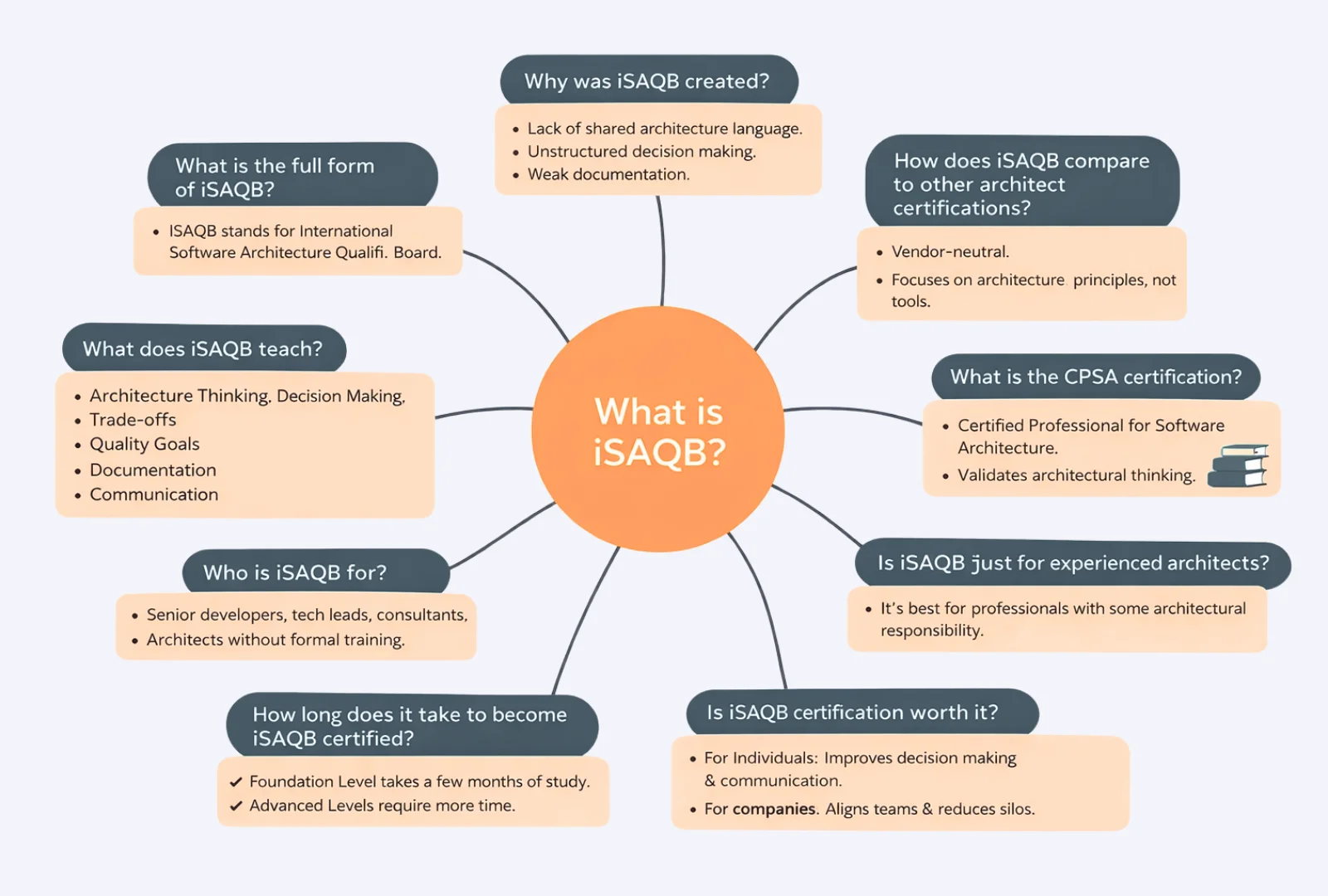
iSAQB stands for International Software Architecture Qualification Board.
The name already explains its role. It is not a training provider and not a vendor. It is a qualification board that defines what software architects should understand, regardless of tools, programming languages, or industries.
Why iSAQB was created
Software architecture became critical long before many organizations treated it as a real discipline. Systems grew distributed, teams became cross functional, and decisions had effects that lasted for years.
Despite this, many architects learned only through experience. Some learned good habits, others learned bad ones, and knowledge stayed personal instead of shared.
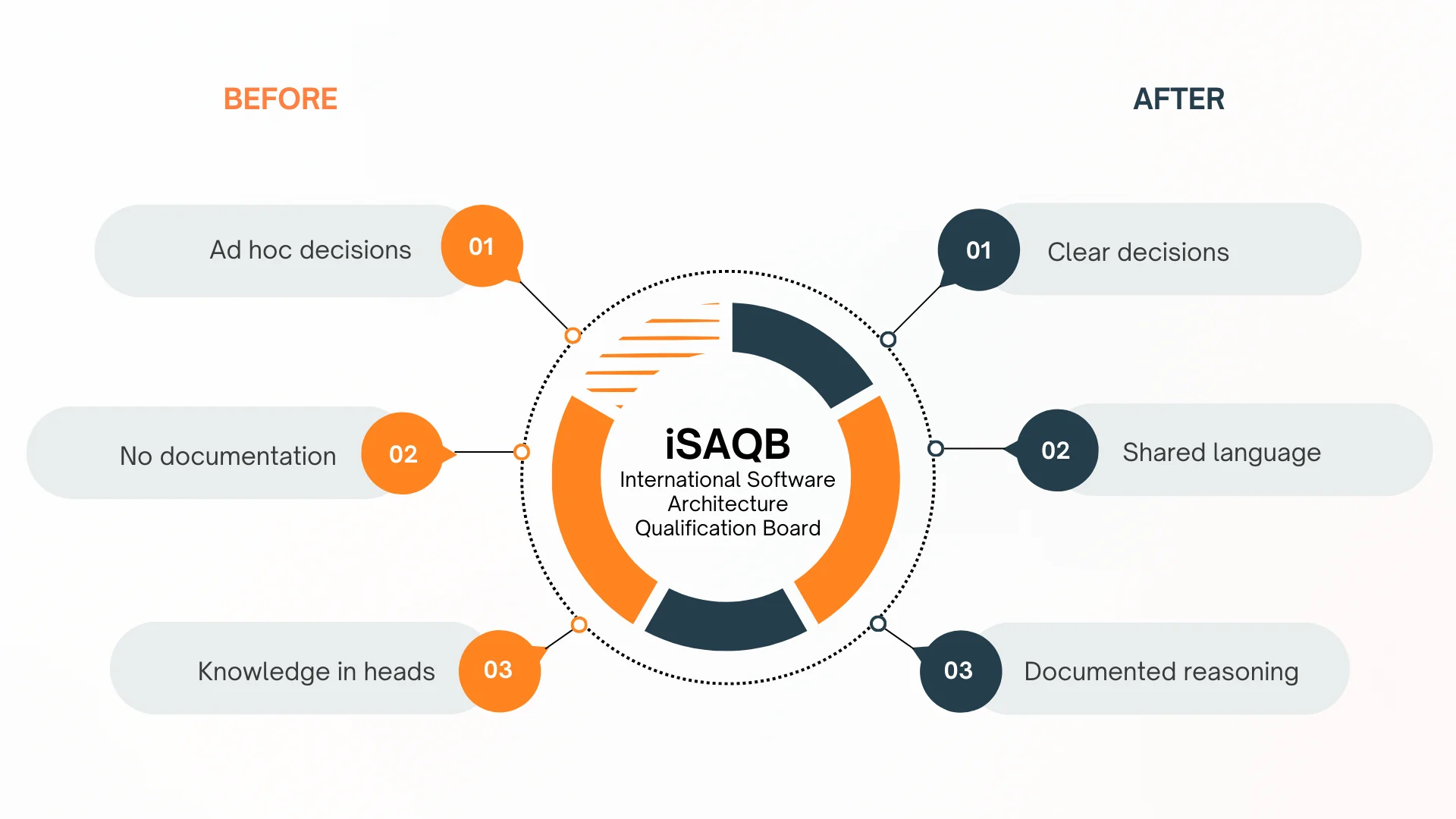
iSAQB was created to solve three problems:
lack of a shared architecture language
missing structure in decision making
weak documentation of architectural reasoning
The goal was not to standardize solutions, but to standardize thinking.
Independent and vendor neutral by design
iSAQB is independent and non profit. It does not belong to a cloud provider, framework community, or consulting company. This matters because architecture knowledge must stay useful even when technology shifts.
Instead of teaching tools, iSAQB focuses on principles such as:
quality goals and trade offs
system boundaries and responsibilities
architectural decisions and consequences
communication with technical and non technical roles
These ideas apply to legacy systems, cloud systems, and everything in between.
What You Learn With iSAQB, Not Just What You Pass
Architecture is about decisions, not diagrams
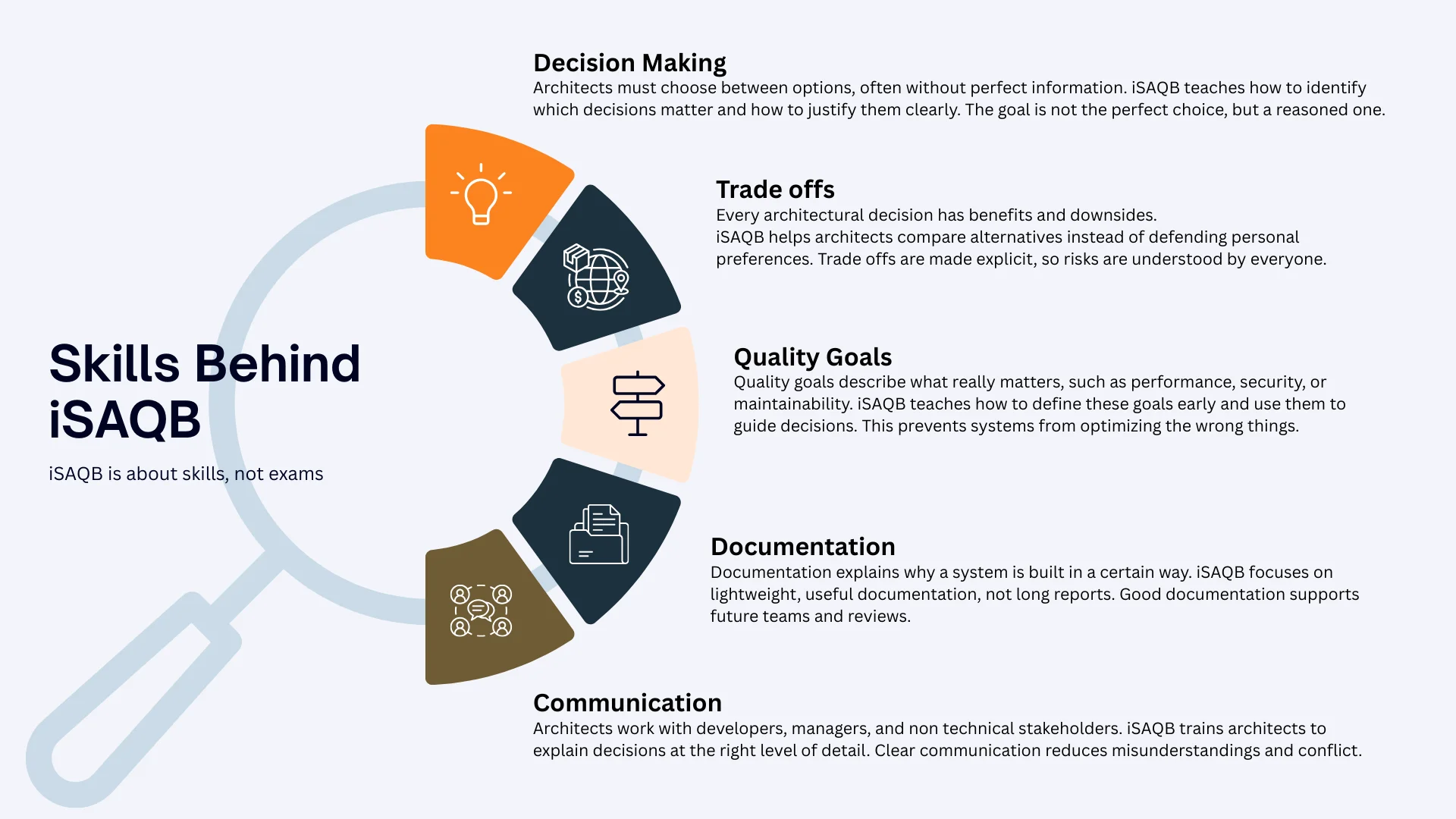
One of the most important lessons in iSAQB is that architecture is not about drawing boxes. Diagrams help, but they are only a tool.
Architecture is about making decisions under constraints.
Participants learn how to:
identify which decisions really matter
separate important choices from noise
compare alternatives instead of defending habits
explain why a decision was taken
This changes how architects approach design work.
Turning experience into something explainable
Many experienced developers already think about performance, scalability, and maintainability. The problem is not lack of skill, but lack of structure.
iSAQB helps turn intuition into something explicit. It introduces ways to:
define quality goals clearly
connect requirements to architectural choices
document decisions so others can follow them
This becomes important when teams grow or when architects need to justify decisions later.
Communication as a core architecture skill
Architecture lives between code and people. Architects must explain systems to developers, product owners, managers, and sometimes auditors.
iSAQB places strong focus on communication. It trains architects to adjust the level of detail, choose the right form of documentation, and explain trade offs in plain language.
This often leads to fewer conflicts and better trust between roles.
Theory, Practice, and Real Project Use
Why iSAQB uses theory on purpose
A common concern is that iSAQB feels theoretical. This is true, and it is intentional.
If architecture education focused only on tools or patterns, it would become outdated quickly. Theory creates distance from short lived trends and makes knowledge reusable.
iSAQB teaches concepts such as:
quality attributes instead of feature lists
architectural goals instead of technical preferences
long term impact instead of short term fixes
These concepts stay useful across projects and years.
How theory shows up in real work
The value of iSAQB appears when systems reach a certain size or age.
Typical situations where it helps:
new team members need onboarding
systems are reviewed or audited
architecture decisions are questioned later
teams disagree on technical direction
Architects with a shared framework can explain not only what the system looks like, but why it looks that way. This reduces repeated discussions and rework.
Who iSAQB Is For and Who It Is Not
Roles that benefit most from iSAQB
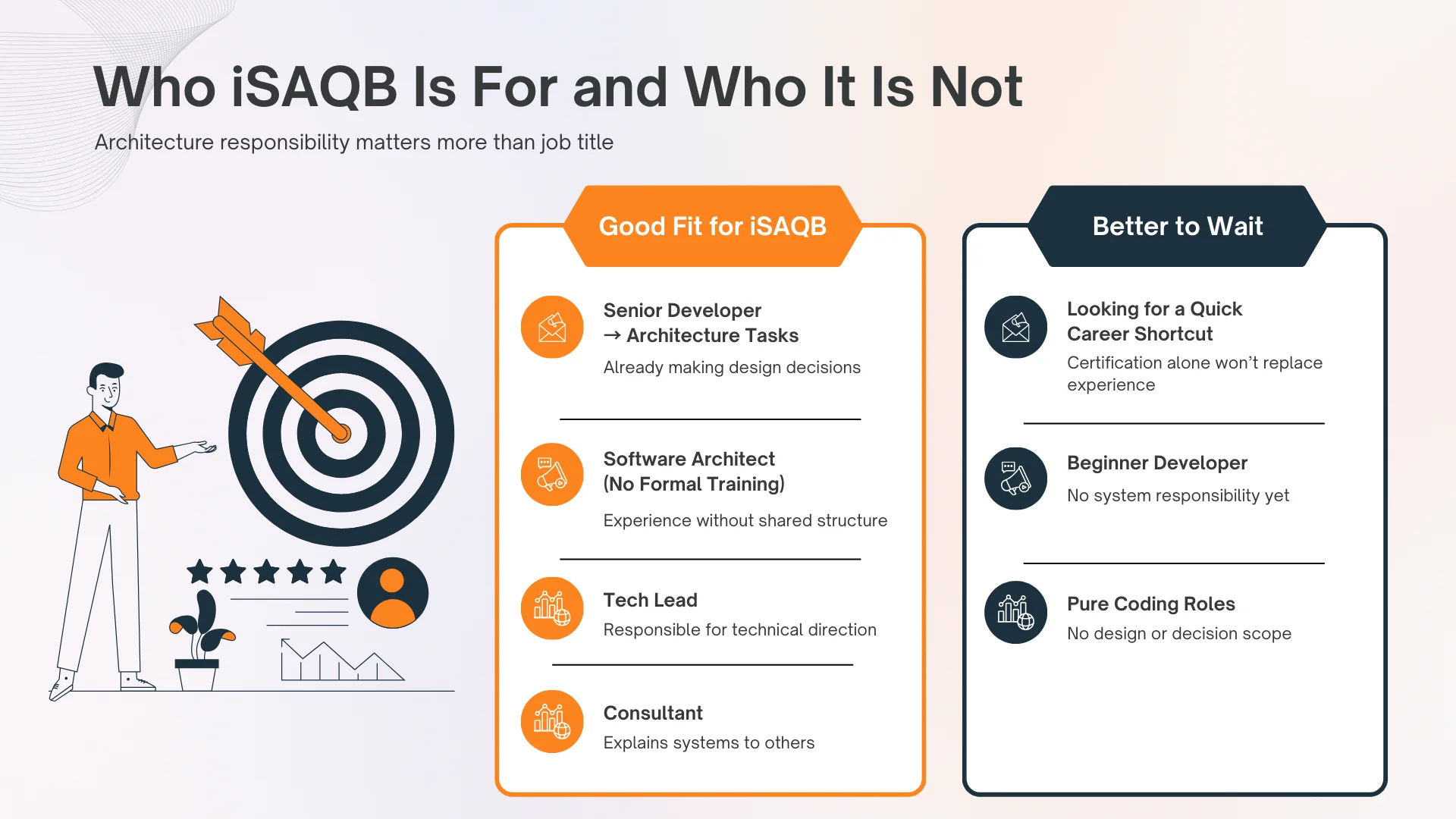
iSAQB is designed for people who already influence system design.
This includes:
senior developers moving into architecture tasks
software architects without formal education in architecture
tech leads responsible for technical direction
consultants who explain systems to clients
These roles already make architectural decisions. iSAQB helps them do it more clearly and consistently.
Who should wait before starting
iSAQB is not ideal for everyone.
It is less useful for:
beginners without system responsibility
people looking for a quick career shortcut
roles focused only on coding tasks
Without real project context, the learning stays abstract.
Is CPSA Certification Worth It
What CPSA actually represents
CPSA stands for Certified Professional for Software Architecture.
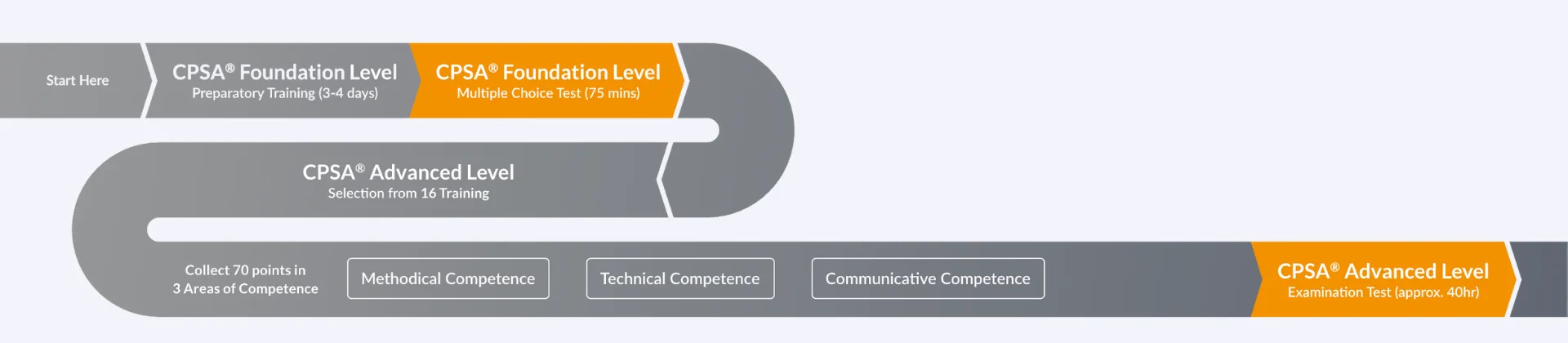
The Foundation Level is the entry point into iSAQB certification.
The CPSA certificate does not claim that someone is a senior architect. It shows that the person understands core architecture concepts and a shared way of thinking.
Is CPSA certification worth it for individuals
CPSA is worth it when learning is applied, not just completed.
It does not guarantee:
higher salary
promotion
instant seniority
What it can provide:
clearer thinking about architecture
better explanations in discussions
more confidence in decision making
Many professionals say the biggest value is not the exam, but the way they think differently afterward.
Is CPSA certification worth it for companies
For companies, CPSA becomes valuable when more than one person shares the same foundation.
This leads to:
better architecture reviews
more consistent documentation
less dependency on individuals
easier onboarding of new team members
Seen this way, CPSA is often more effective as a team investment.
Which Architect Certification Is Best
There is no single “best” certification
The idea of a best architect certification is misleading. Different certifications serve different goals.
Some focus on:
specific cloud platforms
specific frameworks
specific vendor tools
These can be useful for implementation roles.
Where iSAQB fits compared to others
iSAQB focuses on architecture thinking, not tools.
It is often chosen because:
it is vendor neutral
it applies across industries
it supports long term skills
it works well alongside other certifications
Many architects combine iSAQB with cloud or security certifications. iSAQB provides the base, while others add specialization.
Common Questions Readers Often Have
Do I need years of experience for iSAQB
Some experience is needed to get real value. The concepts make more sense when you can connect them to real systems.
Is the exam hard
The exam tests understanding, not memorization. It requires reading, reflection, and practical thinking.
Does iSAQB help with career growth
Indirectly, yes. It helps people explain their role, justify decisions, and communicate clearly. Career growth depends on how these skills are used.
Is iSAQB required to be an architect
No. Many good architects exist without it. iSAQB is a support, not a requirement.
Final Thought
Software architecture shapes systems long after code changes.
It affects cost, quality, and team work over years.
iSAQB does not promise perfect architectures.
It offers a shared way to think, decide, and explain architecture.
For professionals and teams dealing with complex systems, that shared foundation is often what makes growth sustainable instead of chaotic.