Ein Produkt zu bauen ist eine Sache.
Es nützlich, stabil und gut betreibbar zu halten, eine andere.
Nachdem ein Produkt live geht, brauchen Nutzer weiterhin Hilfe. Services müssen gut laufen. Änderungen müssen sorgfältig gehandhabt werden. Teams müssen aus Problemen lernen und den Service mit der Zeit verbessern.
Genau hier hilft ITIL.
ITIL gibt Teams einen klaren Weg, digitale Produkte und Services zu steuern. Es hilft Menschen, über Servicequalität, Support, Governance, Verbesserung und den gesamten Lebenszyklus eines Services auf dieselbe Weise nachzudenken.
Eine ITIL-Schulung macht das leichter verständlich. Lernende werden mit der Sprache, den zentralen Ideen und der Art vertraut, wie Servicearbeit mit echten Entscheidungen und täglichen Aufgaben zusammenhängt.
In diesem Artikel versuchen wir zu erklären, was ITIL ist, warum Service Management zählt und wie die richtige ITIL-Schulung dir hilft, deinen nächsten Schritt zu wählen.
Die vollständige Kursliste, die Bezeichnungen, Prüfungsdetails und Schulungsoptionen findest du auf der ITIL-Boardseite bei BilduX.
Wenn die IT funktioniert, fällt es niemandem auf
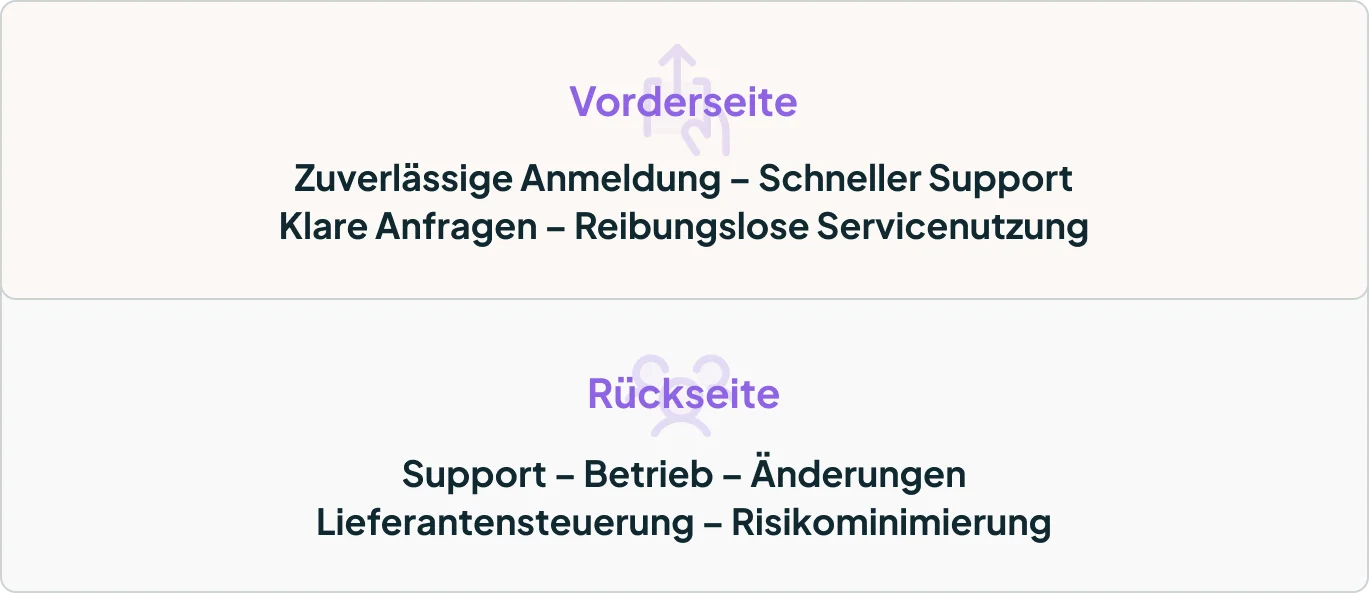
Gute IT-Services wirken von außen oft einfach.
Menschen melden sich an, erledigen ihre Aufgaben, fragen bei Bedarf nach Hilfe und erwarten, dass der Service morgen wieder verfügbar ist.
Aber dieses ruhige Erlebnis entsteht nicht zufällig.
Support-Teams müssen Anfragen beantworten. Betriebsteams müssen Services am Laufen halten. Änderungen müssen geplant werden. Risiken müssen verstanden werden. Daten, Lieferanten, Governance und Servicequalität brauchen alle Aufmerksamkeit.
Außerdem braucht es regelmäßige Verbesserung, nicht nur schnelle Korrekturen, nachdem etwas kaputtgeht.
ITIL ist nützlich, weil es Teams hilft, den Service hinter dem System zu steuern.
Bei ITIL geht es um den Service, nicht nur um das System
Viele Teams konzentrieren sich darauf, Technologie zu bauen, zu reparieren oder zu aktualisieren.
ITIL stellt eine umfassendere Frage: Wie schafft dieses Produkt oder dieser Service über die Zeit Wert?
Ein System kann laufen, und der Service kann sich trotzdem schlecht anfühlen. Ein Produkt kann veröffentlicht sein, aber Nutzer wissen vielleicht nicht, wo sie Support bekommen. Eine Änderung kann freigegeben sein und trotzdem Probleme für die Menschen schaffen, die auf den Service angewiesen sind.
Teams können außerdem viele Aufgaben messen, ohne zu erkennen, ob der Service Nutzern oder dem Unternehmen tatsächlich hilft.
Deshalb müssen Produktarbeit und Servicearbeit zusammenhängen. ITIL hilft Teams, über „funktioniert das System?" hinauszudenken und zu fragen: „Hilft der Service den Menschen, das Ergebnis zu erreichen, das sie brauchen?"
Die Alltagsprobleme, die ITIL Teams lösen hilft
ITIL wird viel leichter verständlich, wenn du dir die echten Serviceprobleme anschaust, mit denen Teams täglich zu tun haben.
Diese Probleme tauchen oft auf, nachdem ein Produkt oder Service live geht. Die Arbeit hat begonnen, Nutzer sind auf den Service angewiesen, und kleine Lücken beginnen sich zu zeigen.
Support-Teams reagieren immer wieder auf dieselben Probleme
Viele Support-Teams verbringen ihren Tag damit, Probleme zu beheben, sobald sie auftauchen. Das hilft im Moment, aber dieselben Probleme kommen oft wieder.
ITIL hilft Teams, Incidents, Serviceanfragen und Verbesserungen strukturierter zu betrachten. Das Ziel ist nicht nur, zu reparieren, was kaputt ist, sondern zu verstehen, warum es immer wieder passiert.
Änderungen sorgen für Verwirrung
Jeder digitale Service verändert sich mit der Zeit. Neue Funktionen gehen live. Systeme werden aktualisiert. Teams passen Prozesse an.
Ohne einen klaren Ansatz führen Änderungen zu Verwirrung. Menschen verpassen Updates, Risiken bleiben verborgen, und Nutzer spüren die Folgen.
ITIL hilft Teams, über Risiko, Kommunikation, Auswirkung und Servicewert nachzudenken, bevor eine Änderung die Nutzer erreicht.
Die Verantwortung für den Service ist unklar
An einem Service sind oft viele Menschen beteiligt. Produktteams, Support-Teams, Betrieb, Lieferanten und Business-Verantwortliche spielen alle eine Rolle.
Wenn die Verantwortung unklar ist, fallen kleine Aufgaben durchs Raster. Teams warten aufeinander, und Nutzer wissen nicht, an wen sie sich wenden sollen.
ITIL hilft Teams zu verstehen, wer beteiligt ist, wofür jede Person verantwortlich ist und wie der Service im Tagesgeschäft laufen sollte.
Teams nutzen unterschiedliche Wörter für dasselbe Problem
Ein Team spricht von Tickets. Ein anderes von Incidents. Ein weiteres von Nutzerfrust.
Sie meinen vielleicht alle dasselbe, aber die unterschiedlichen Wörter sorgen für Verwirrung.
Eine ITIL-Schulung hilft Teams, eine gemeinsame Servicesprache aufzubauen. Das macht die tägliche Arbeit einfacher, besonders wenn mehrere Teams dasselbe Problem gemeinsam lösen müssen.
Der Servicewert wird schwer erkennbar
Ausgelastete Teams messen oft Aktivität. Sie zählen Tickets, Aufgaben, Meetings und Updates.
Aber Aktivität zeigt nicht immer Wert.
ITIL hilft, Servicearbeit mit echten Ergebnissen zu verbinden. Teams stellen bessere Fragen: ob Nutzer bekommen, was sie brauchen, ob der Service Geschäftsziele unterstützt und ob die Arbeit die User Experience verbessert.
KI bringt mehr Komplexität
Viele digitale Services enthalten heute KI-Tools, KI-gestützte Entscheidungen oder KI-getriebene Workflows.
Das wirft neue Fragen auf. Teams müssen über Risiko, Wert, Governance, Auswirkung auf Nutzer und verantwortungsvollen Einsatz nachdenken.
ITIL gibt Teams einen klareren Weg, diese Komplexität zu steuern. Es hilft ihnen, bessere Entscheidungen über digitale Produkte und Services zu treffen, besonders wenn KI Nutzer, Teams oder Geschäftsergebnisse betrifft.
Verbesserung kommt zu spät
Manche Teams verbessern erst, wenn Nutzer sich beschweren.
Bis dahin hat der Schaden schon begonnen. Nutzer verlieren Vertrauen, Support-Teams stehen unter Druck, und das Serviceteam muss hetzen.
ITIL bringt kontinuierliche Verbesserung in die reguläre Servicearbeit. Teams müssen nicht warten, bis ein Problem schmerzhaft wird, bevor sie den Service verbessern.
Wo eine ITIL-Schulung ihren Platz hat
Du kannst ITIL lernen, indem du auf eigene Faust Bücher, Leitfäden oder Online-Material liest. Für manche Menschen funktioniert das gut.
Trotzdem verstehen viele Lernende ITIL schneller, wenn sie an einer Schulung teilnehmen. Der Grund ist einfach: ITIL-Begriffe ergeben mehr Sinn, wenn jemand sie mit echter Servicearbeit verknüpft.
Ein guter Trainer erklärt die Ideen mit Beispielen aus Support, Betrieb, Produktteams, Governance und Verbesserungsarbeit. Du bekommst außerdem Raum, Fragen zu stellen und die Konzepte mit Situationen zu verbinden, die du schon kennst.
Auch Übungen helfen. Sie zeigen, wie Serviceprobleme im Arbeitsalltag aussehen, nicht nur in der Theorie.
Gruppendiskussionen bringen ebenfalls Mehrwert. Menschen aus verschiedenen Rollen betrachten dasselbe Serviceproblem oft unterschiedlich. Diese Sichtweisen zu hören, hilft dir, das größere Bild zu verstehen.
Eine ITIL-Schulung hilft Teams außerdem, dieselbe Servicesprache zu sprechen. Das macht die Arbeit klarer, besonders wenn Teams Probleme gemeinsam lösen oder Services über die Zeit verbessern müssen.
Selbststudium ist eine gute Option, wenn du Service Management bereits kennst. Eine Schulung ist oft die bessere Wahl, wenn du Struktur, echte Beispiele und einen klareren Weg zur Prüfungsvorbereitung willst.
Der ITIL-Zertifizierungsweg
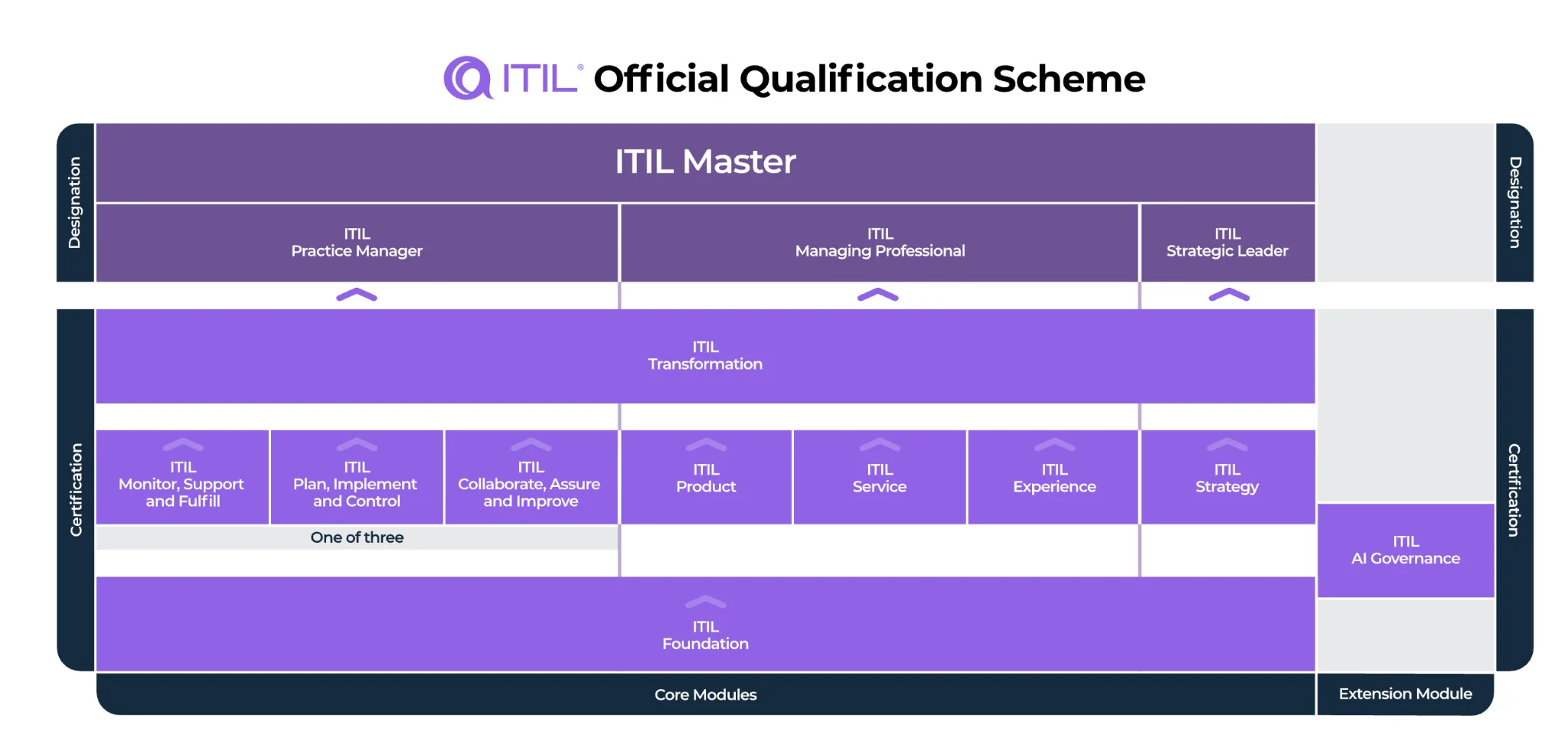
ITIL hat einen klaren Startpunkt. Von dort hängt dein Weg von der Art deiner Arbeit ab.
Du musst nicht von Tag eins an jeden Titel kennen. Beginne mit der richtigen Basis und wähle dann die Richtung für deine Rolle, deine Ziele und deine tägliche Arbeit.
ITIL Foundation
ITIL Foundation ist der Startpunkt für die meisten Menschen.
Diese Stufe führt in die zentralen Ideen hinter dem Management digitaler Produkte und Services ein. Du lernst die gemeinsame ITIL-Sprache, die in den nächsten Modulen verwendet wird.
Dieser Kurs passt gut für Einsteiger. Er hilft außerdem allen, die eine gemeinsame Basis im Service Management brauchen, bevor sie weitergehen.
ITIL Managing Professional
ITIL Managing Professional ist für Menschen, die täglich nah an digitalen Produkten und Services arbeiten.
Dieser Weg dreht sich weniger um Theorie und mehr darum, wie Services von der Idee zu Auslieferung, Support und Verbesserung gelangen. Er betrachtet, wie Teams Wert schaffen, Servicequalität verbessern, Kunden unterstützen, Änderungen handhaben und Services am Laufen halten.
Dieser Weg umfasst ITIL Product, ITIL Service, ITIL Experience und ITIL Transformation.
Er passt zu Menschen in Produkt-, Service-Delivery-, Support-, Betriebs-, Change-, Verbesserungs- und Customer-Experience-Rollen.
ITIL Strategic Leader Designation
ITIL Strategic Leader ist für Menschen, die Teams führen, wichtige Entscheidungen treffen oder die Richtung digitaler Services prägen.
Dieser Weg konzentriert sich auf digitale Strategie, Governance und Transformation. Er passt zu Menschen, die tägliche digitale Arbeit mit Geschäftszielen und langfristigen Ergebnissen verbinden müssen.
ITIL Practice Manager
Bei ITIL Practice Manager geht es um die tägliche Arbeit im Service Management.
Dieser Weg unterstützt Menschen, die in echten Serviceteams mit ITSM-Practices arbeiten. Diese Rollen umfassen oft Support, Betrieb, Service Management und Verbesserung.
Der Kurs hilft dir zu sehen, wie ITIL-Practices in der täglichen Arbeit zusammenspielen, statt jede Practice als eigenes Thema zu behandeln.
ITIL Master
ITIL Master ist die höchste ITIL-Stufe.
Diese Stufe ist für Menschen mit fundierter Erfahrung im Service Management. Hier musst du zeigen, wie du ITIL in echter Arbeit einsetzt – über Strategie, Services, Teams und das Tagesgeschäft hinweg.
Es ist kein Startpunkt. Die meisten Menschen erreichen diese Stufe nach Jahren praktischer Arbeit mit ITIL und Service Management.
ITIL Extension Module: AI Governance
Das Modul AI Governance konzentriert sich auf KI-Governance in digitalen Produkten und Services.
Dieses Modul unterstützt Menschen, die mit KI-Risiko, Regeln, Servicewert und verantwortungsvollem KI-Einsatz arbeiten.
Es ist ein fokussiertes Modul, nicht der allgemeine Startpunkt für ITIL-Lernende.
Hinweis zu kommenden ITIL-Zertifizierungen
Zum Zeitpunkt der Erstellung kennzeichnet ITIL.com die Bezeichnungen ITIL Practice Manager, ITIL Master und das ITIL Extension Module: AI Governance als „coming soon".
Das bedeutet, sie sind Teil des offiziellen ITIL-Zertifizierungswegs, aber Lernende sollten die aktuelle ITIL-Seite prüfen, bevor sie Schulungen oder Prüfungen für diese Optionen planen.
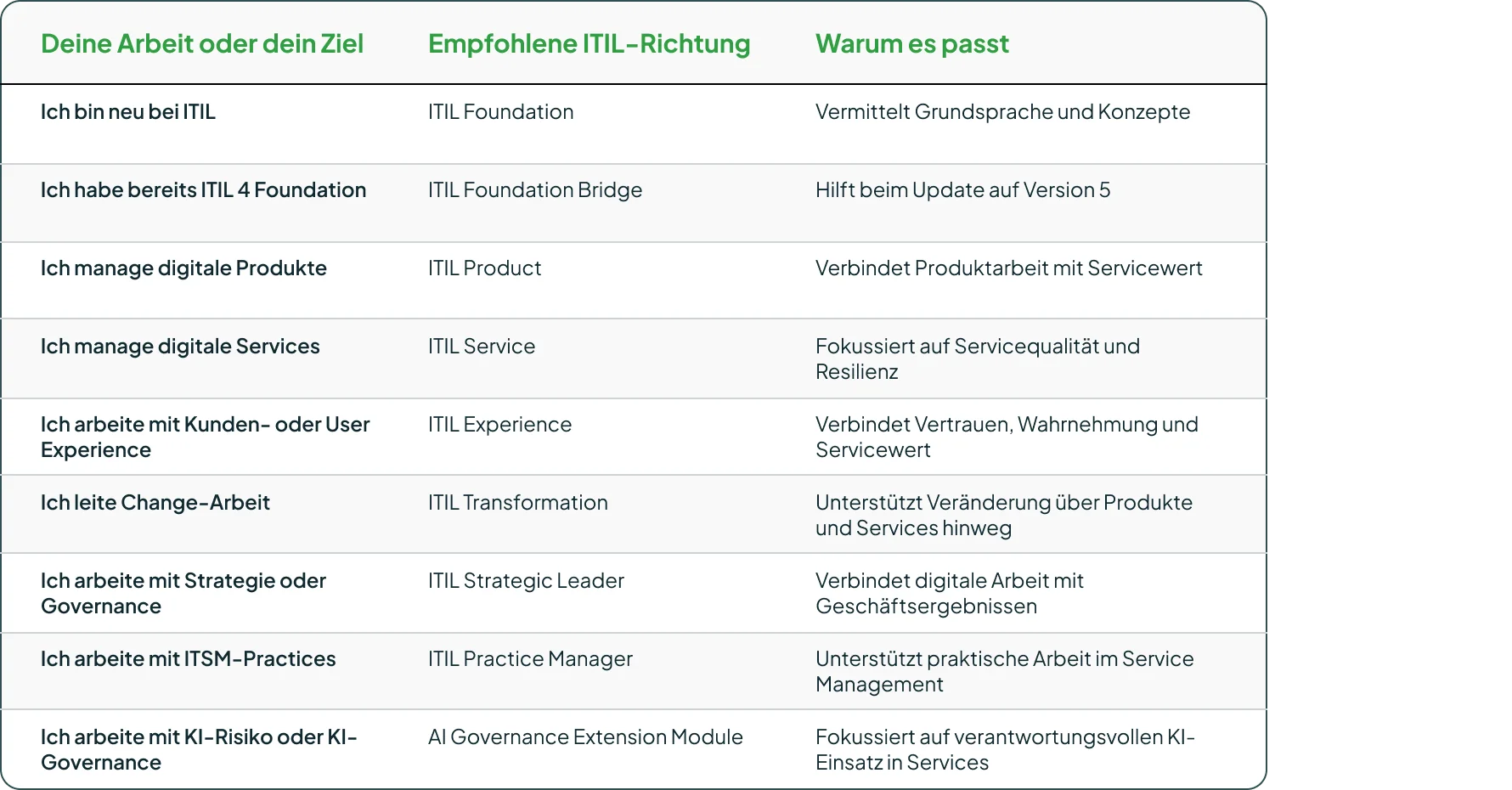
Welche ITIL-Richtung passt zu deiner Servicearbeit?
Der richtige ITIL-Kurs hängt von der Art deiner Servicearbeit ab.
Manche Menschen brauchen zuerst Foundation. Andere konzentrieren sich später auf Themen wie Product, Service, Experience, Transformation, Strategie, Practice oder AI Governance.
ITIL oder allgemeine ITSM-Schulung?
ITSM-Schulung kann vieles bedeuten.
Manche Kurse konzentrieren sich auf Service-Desk-Tools. Andere auf Support-Modelle, Betrieb oder interne Unternehmensprozesse.
Eine ITIL-Schulung ist spezifischer. Sie konzentriert sich auf das ITIL-Framework und seine Art, digitale Produkte und Services zu steuern.
Wähle eine ITIL-Schulung, wenn du eine anerkannte Servicesprache, eine ITIL-Zertifizierungsvorbereitung oder einen klareren Weg willst, wie dein Team mit Servicewert, Practices, Governance und Verbesserung arbeitet.
Die 5 wichtigsten Fragen zu ITIL
Ist ITIL nur für den IT-Support?
Nein.
ITIL kann Support-Teams helfen, ist aber nicht nur für den Service Desk. Es ist auch nützlich für Service Manager, Betriebsteams, Produktrollen, Governance-Rollen und Führungskräfte.
Was ist der Unterschied zwischen ITIL Managing Professional und ITIL Strategic Leader?
ITIL Managing Professional konzentriert sich auf das Management digitaler Produkte und Services über den gesamten Lebenszyklus.
ITIL Strategic Leader konzentriert sich stärker auf Strategie, Governance und Transformation.
Kann ITIL Produktmanagern helfen?
Ja, besonders wenn die Produktarbeit nicht mit dem Release endet.
ITIL hilft Produktmanagern, Produktwert mit Servicenutzung, Support, Feedback, Lebenszyklusdenken und Geschäftsergebnissen zu verbinden.
Kann ITIL Service-Desk-Teams helfen?
Ja.
ITIL kann Service-Desk-Teams helfen, mit Anfragen, Incidents, wiederkehrenden Problemen, Verbesserung und Nutzerwert gemeinsamer zu arbeiten.
Wie hängt ITIL mit KI zusammen?
ITIL Version 5 ist für digitale und KI-gestützte Services gemacht.
Das ITIL Extension Module: AI Governance konzentriert sich auf den verantwortungsvollen KI-Einsatz über digitale Produkte und Services hinweg, einschließlich Risiko, Entscheidungen und Servicewert.